
Although 1) INTRO provided a brief overview of different printing technologies, several aspects are worth mentioning.
Materials
Generally, FDM materials are stronger than resin printing materials. This allows for the use of less supporting structure within the design, resulting in a lighter dry weight. In terms of lure design, buoyancy tuning is easier with FDM-printed lures compared to resin-printed ones.
Details & Resolution
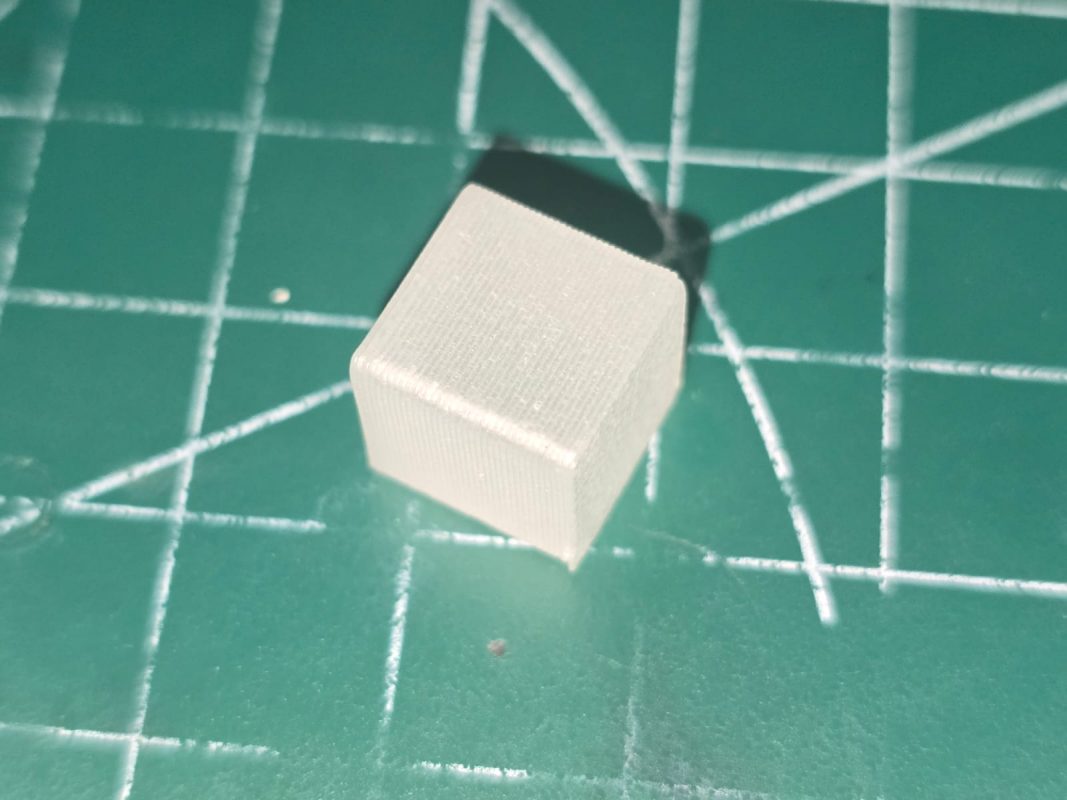
FDM printing resolution is determined by the nozzle size, typically ranging from 0.2mm to 0.4mm in diameter. In contrast, resin printing resolution depends entirely on the LCD screen. For example, a 14K resolution on a 10.1-inch screen equates to 16.8 x 24µm. In comparison, detailed functional or aesthetic designs is harder to achieve with FDM.
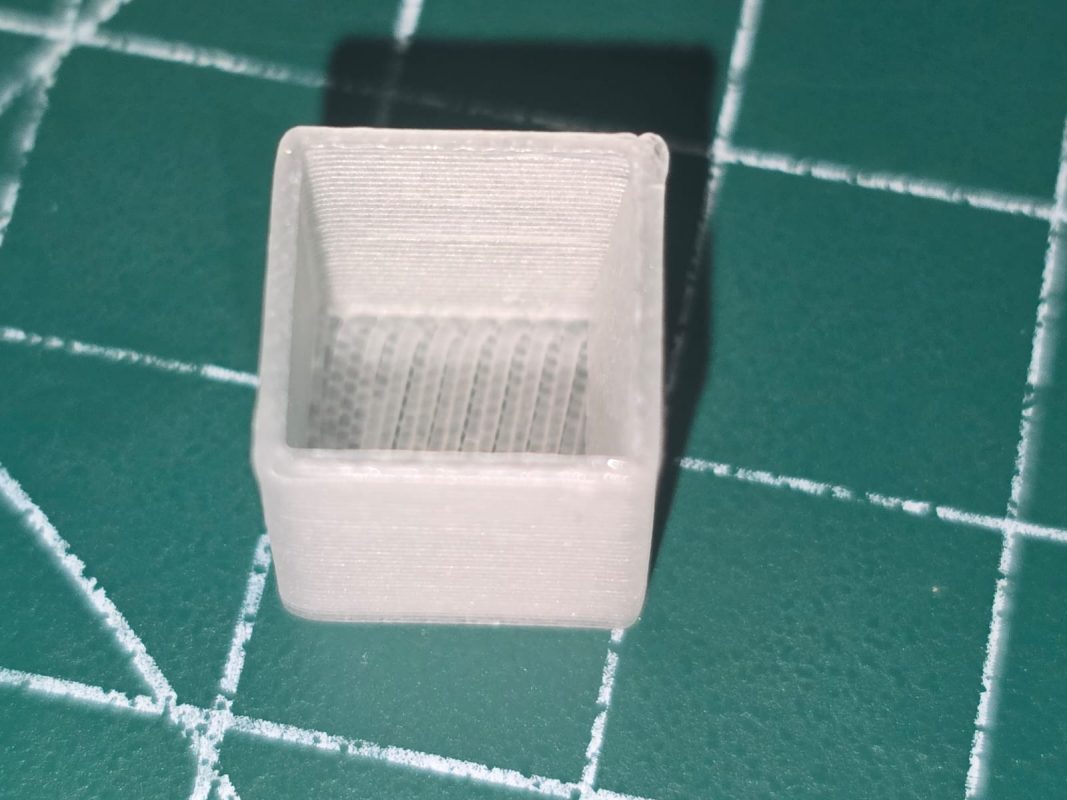
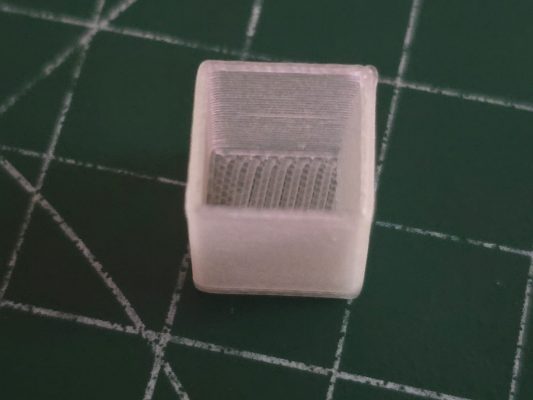
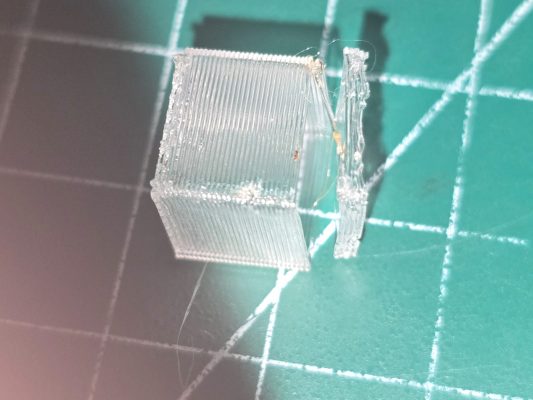
Due to the nature of FDM printing, some layers may not fuse correctly, which may not be visible from the outside. This can compromise the structural integrity, especially for delicate structures. Consequently, external forces applied to internal supporting structures may not be distributed as intended. To compensate for this weakness, the Z-axis must be considered in the design, including how to split the 3D object and the assembly process.
Suction Force
While resin printing does not have the Z-axis weakness, suction force is a significant cause of print failures. When printing hollow parts, deformation may occur due to suction effects, which can be exacerbated by higher viscosity resins. To prevent this, drain holes are mandatory, with at least two required per print, impacting the printing orientation. Some designs may only work with specific types of resin and fail with engineering resins.
Efficiency
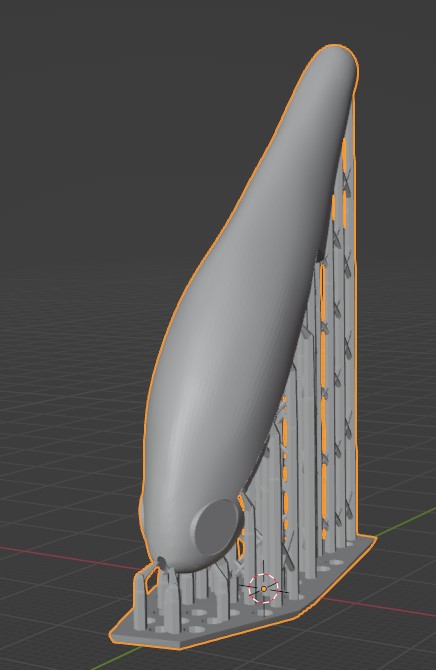

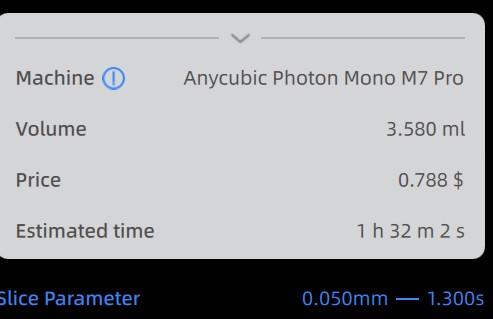
In theory, FDM printing efficiency is O(n³), while LCD printing efficiency is O(n). Height is the only dimension that affects duration on an LCD printer. As shown in the images, printing a single unit on the X1C is faster than on the Photon M7 Pro. However, the M7 Pro can fit at least 50 pieces at once, with the printing duration remaining the same.
Watertight & Coating
All FDM prints require a layer of coating to seal all surfaces and achieve watertightness, while this is optional for resin prints. For long-term applications, it is recommended to paint the print to block sunlight. Some clear transparent paints are designed to block UV rays.
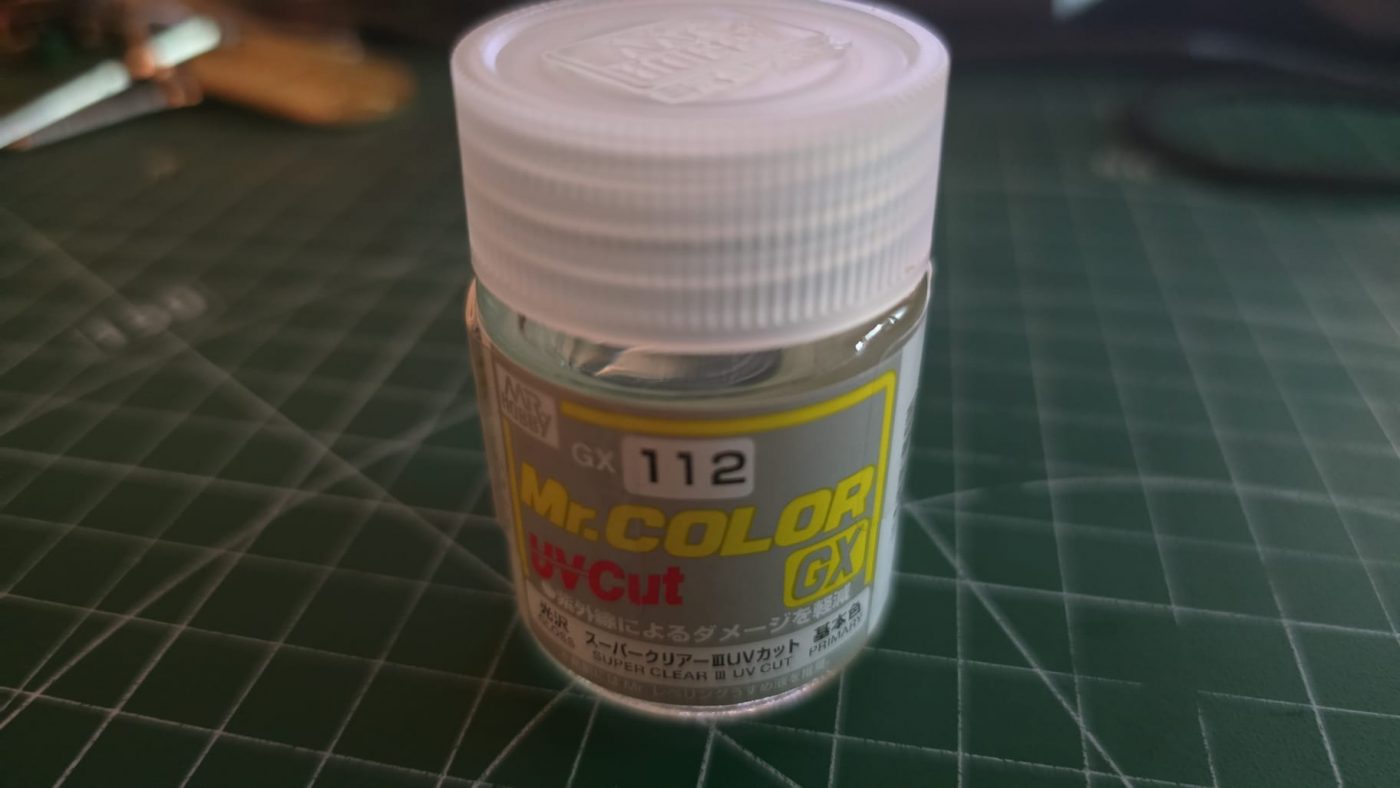
There is a common misconception that resin prints can be over-cured, which is untrue. Over-curing is caused by UV light with a shorter wavelength (365nm) that degrades the plastic. This can happen to any plastic, including FDM prints. The misconception arises because some curing stations emit both 365nm and 405nm UV light, accelerating the aging process of the plastic.
Post-Processing
Here are the pros and cons of resin printing versus FDM printing. Personally, I find FDM printing easier to work with, mainly because the performance of UV resin can vary significantly depending on the brand and the quality of post-processing.
