
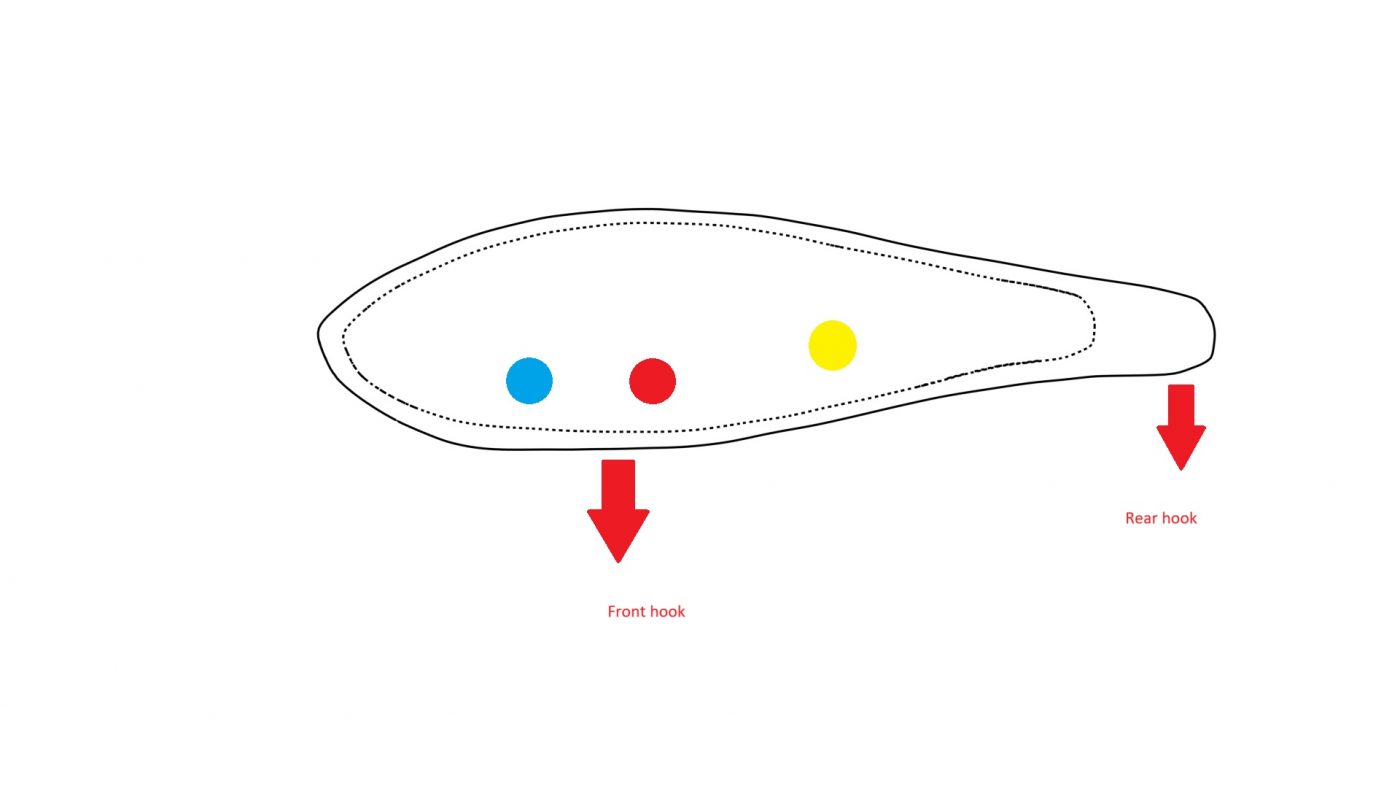
As illustrated in the diagram above, the centre of mass can be adjusted based on the intended purpose of the lure.
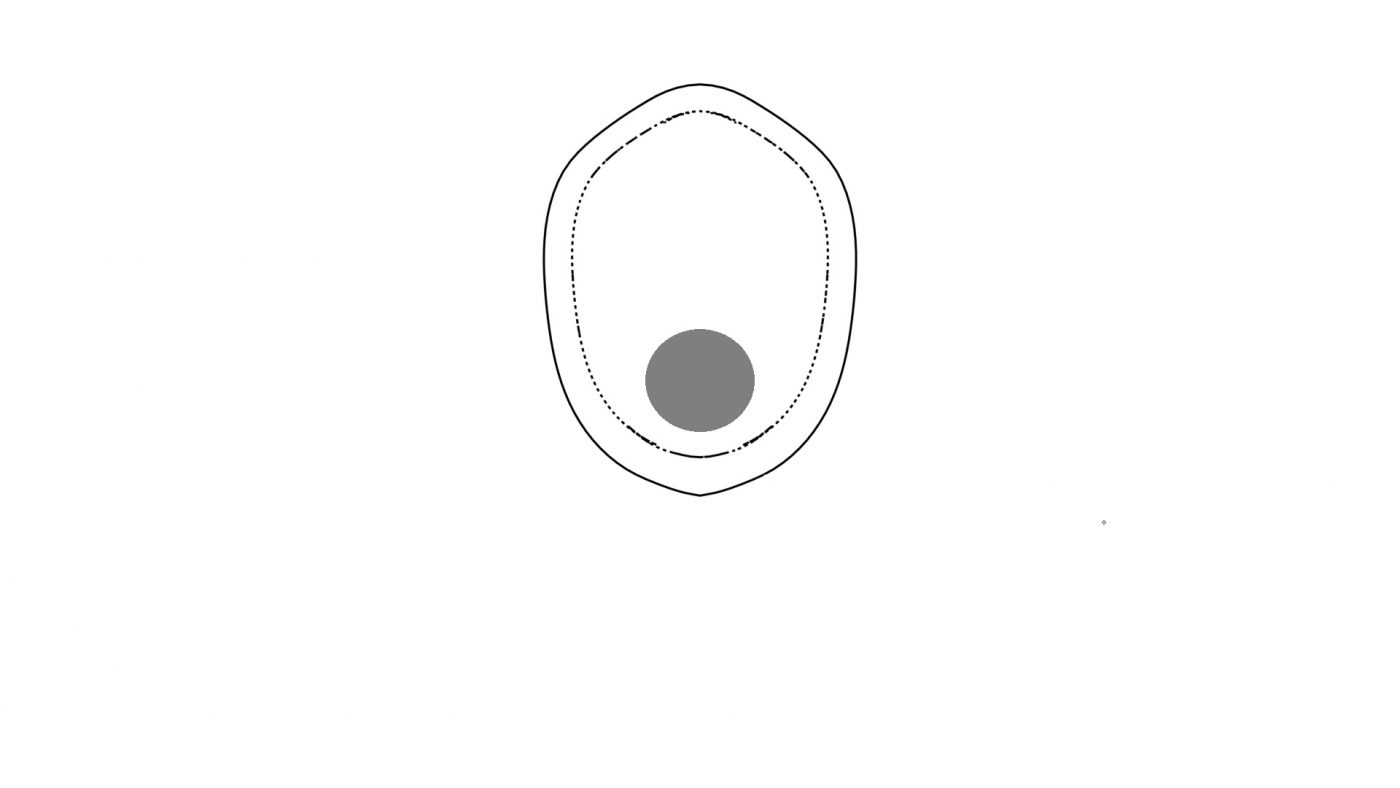
It is advisable to place weights near the bottom to enhance stability and reduce rolling. The rear hook is also a critical consideration due to its distance from the centre, which increases its moment (leverage) compared to the front hook, despite having the same weight. To counterbalance this, a weight should be added on the opposite side of the front hook.
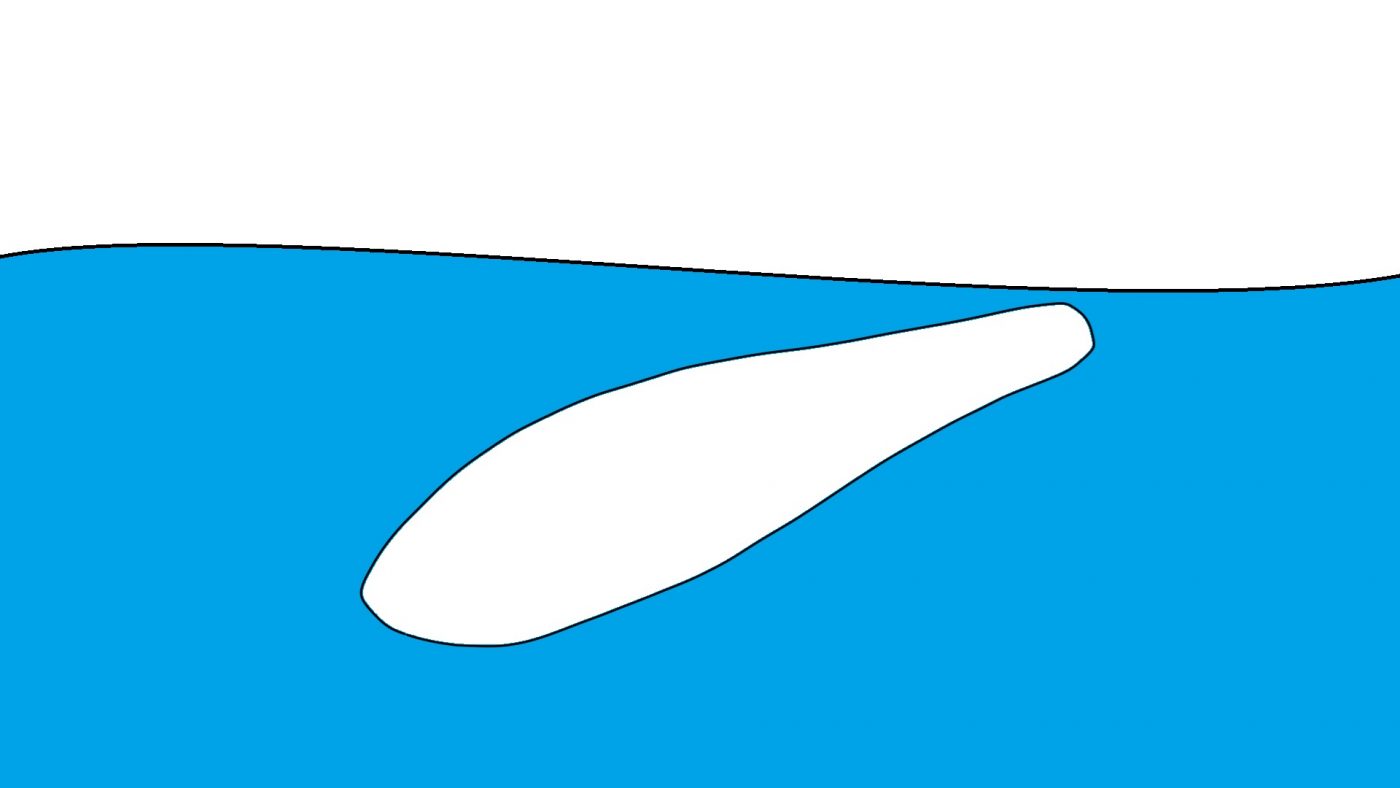
For sinking lures, it is generally preferred that they dive head-first. This ensures that the rear hook is elevated even when the lure touches the bottom, significantly reducing the chance of snagging. Therefore, the centre of mass should be positioned near the blue spot. For a slower sinking rate, it should be placed between the blue and red spots.
For floating lures, anglers often use the “walk-the-dog” technique, which involves gently twitching the rod tip towards the water to make the lure zig-zag on the surface. To achieve this, the centre of mass should be near the red spot.
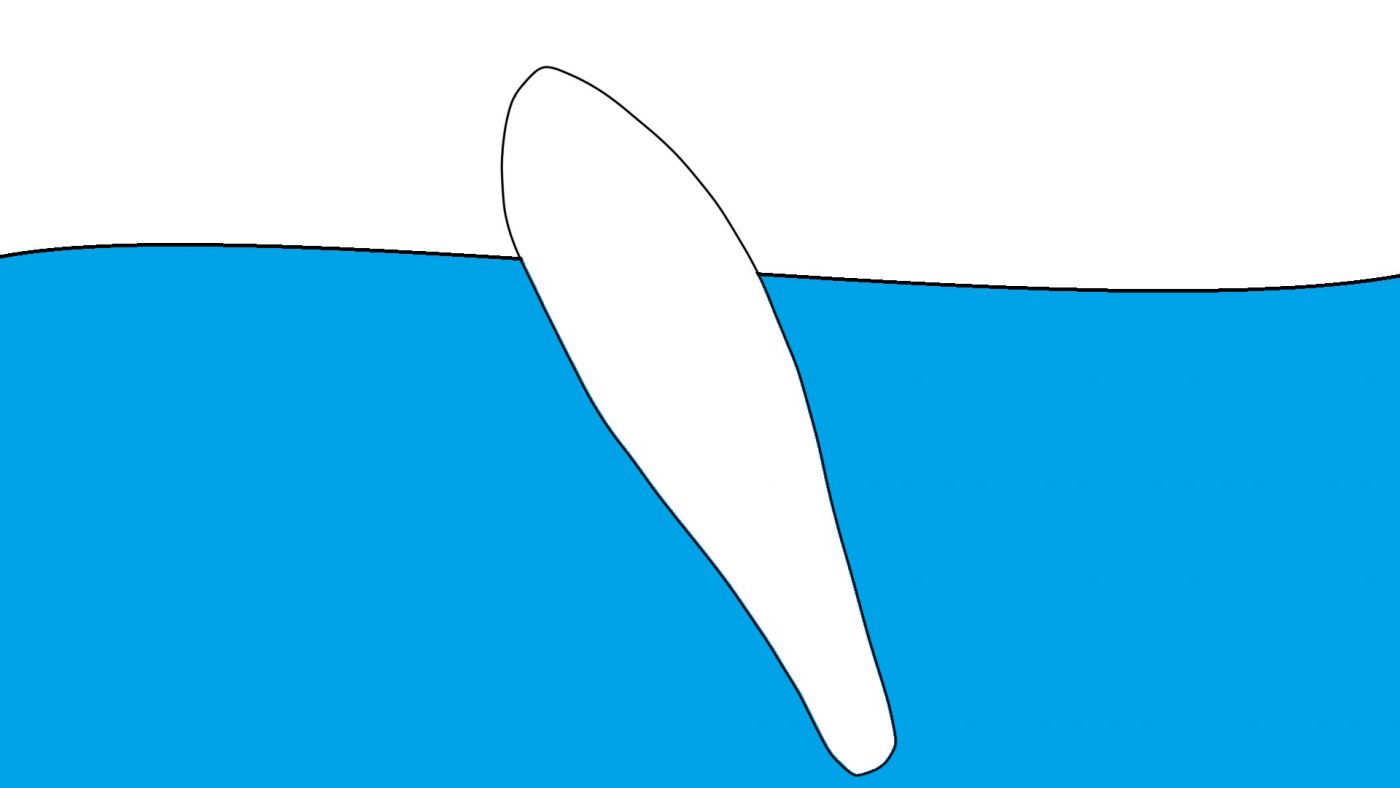
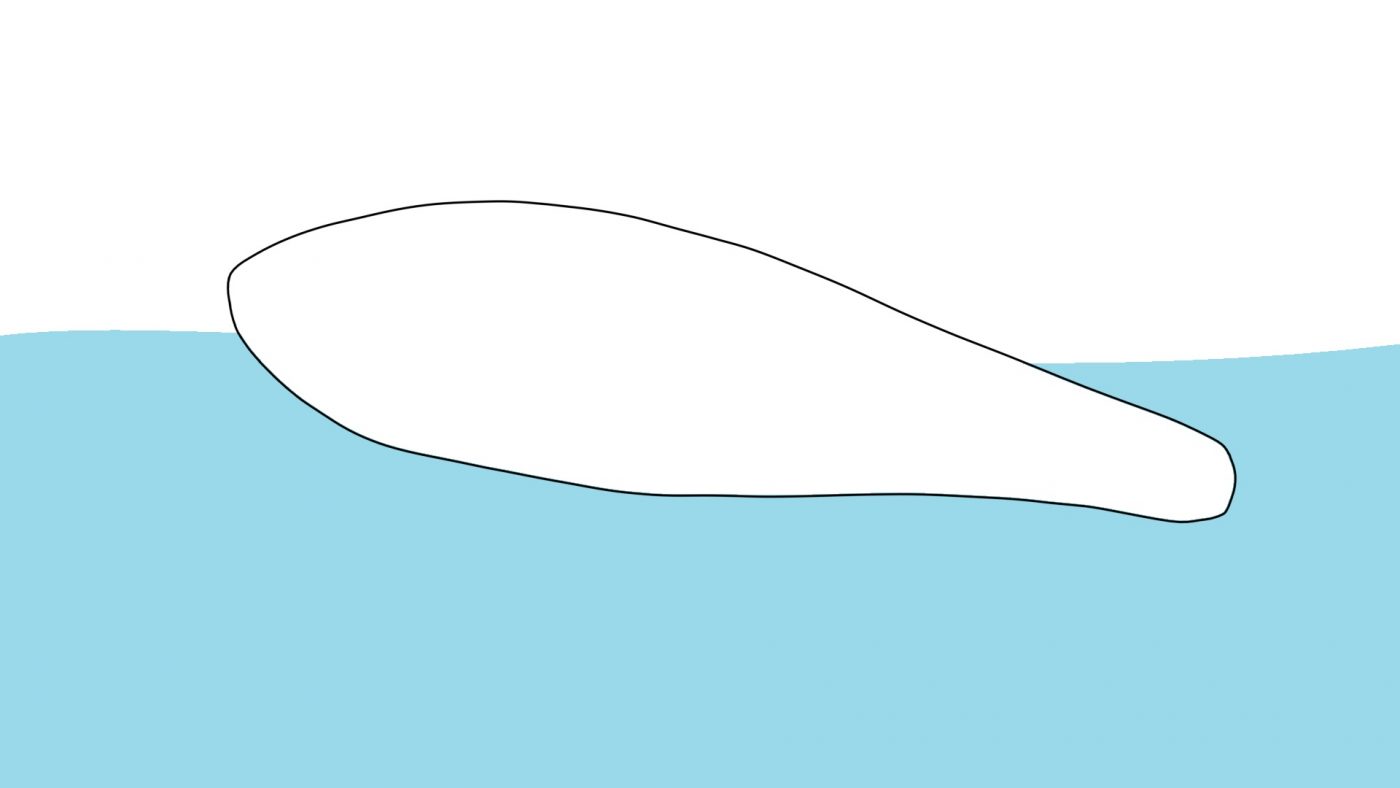
Some floating lures are designed with a heavier tail, as indicated by the yellow spot (i.e., the head protrudes from the water). This design allows the lure to create water splashes on the surface with a short but vigorous pull without travelling a long distance. It is a very common design for popper and some pencil lure.
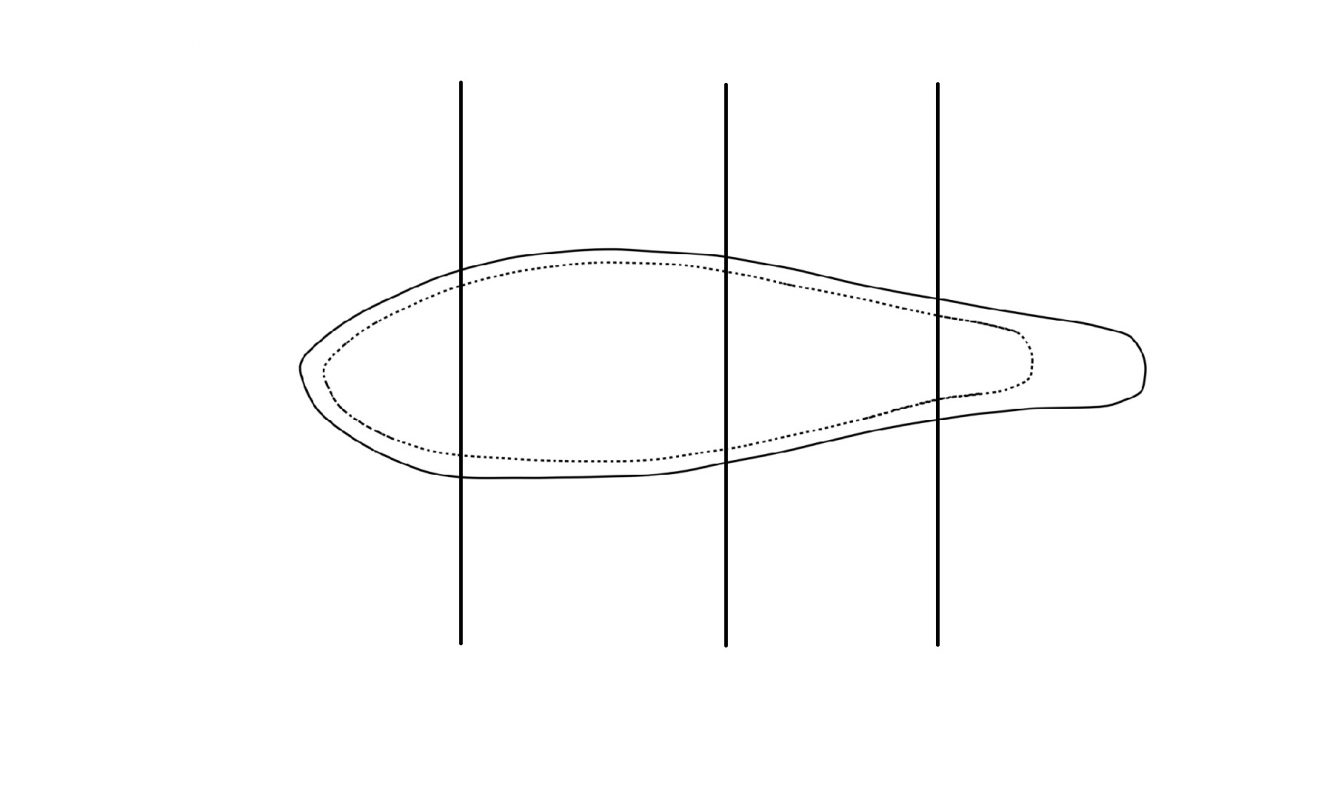
Alternatively, a lure can be designed in sections. As mentioned in the second part of “9) materials and buoyancy”, the sinking rate is influenced by density and drag. By ensuring each section has the same density, the lure should theoretically sink horizontally. External fins can then be added to further adjust its drag.
