
The diving depth of a crankbait is primarily determined by the length and angle of its lip. Anglers commonly agree on the rule of thumb that “1 cm of lip length equals 1 metre of diving depth.” For example, a 6 cm lip can enable the lure to dive to a depth of 6 metres. It is important to note that the actual diving depth also depends significantly on the travel distance, with long casting and boat trolling potentially increasing the depth.
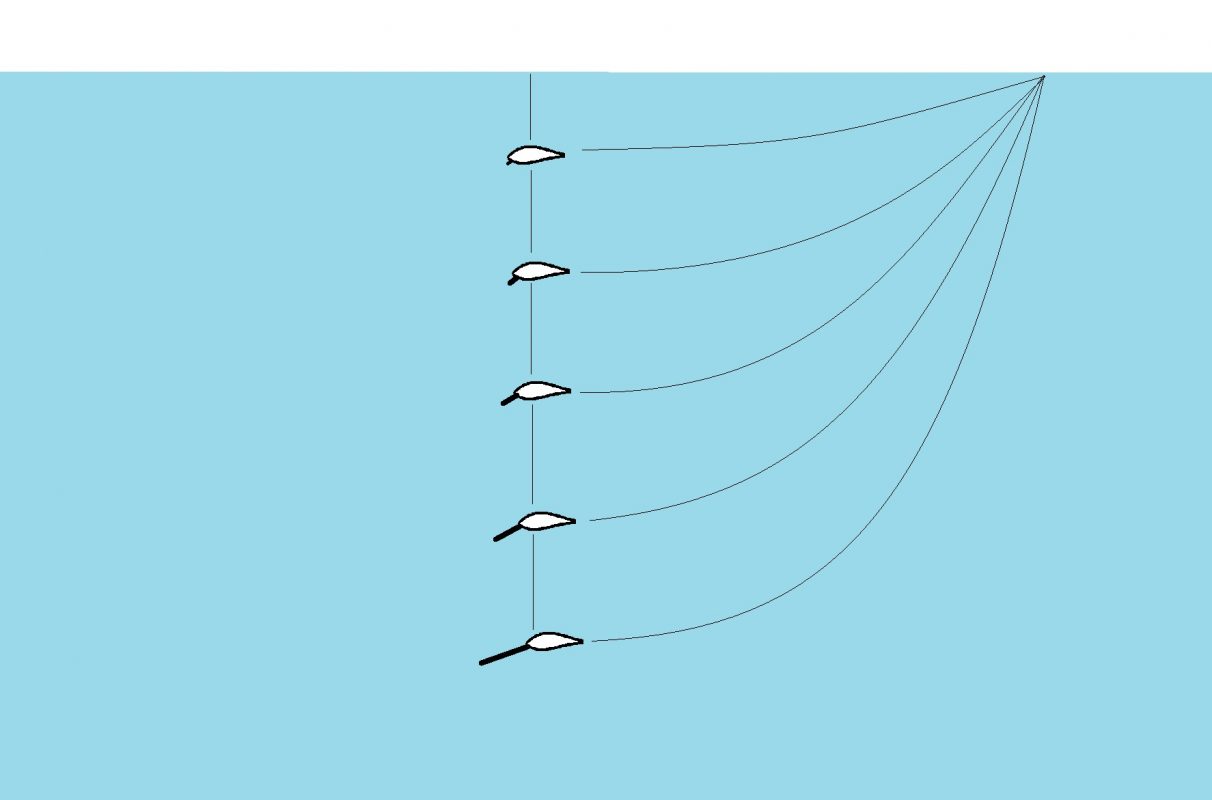
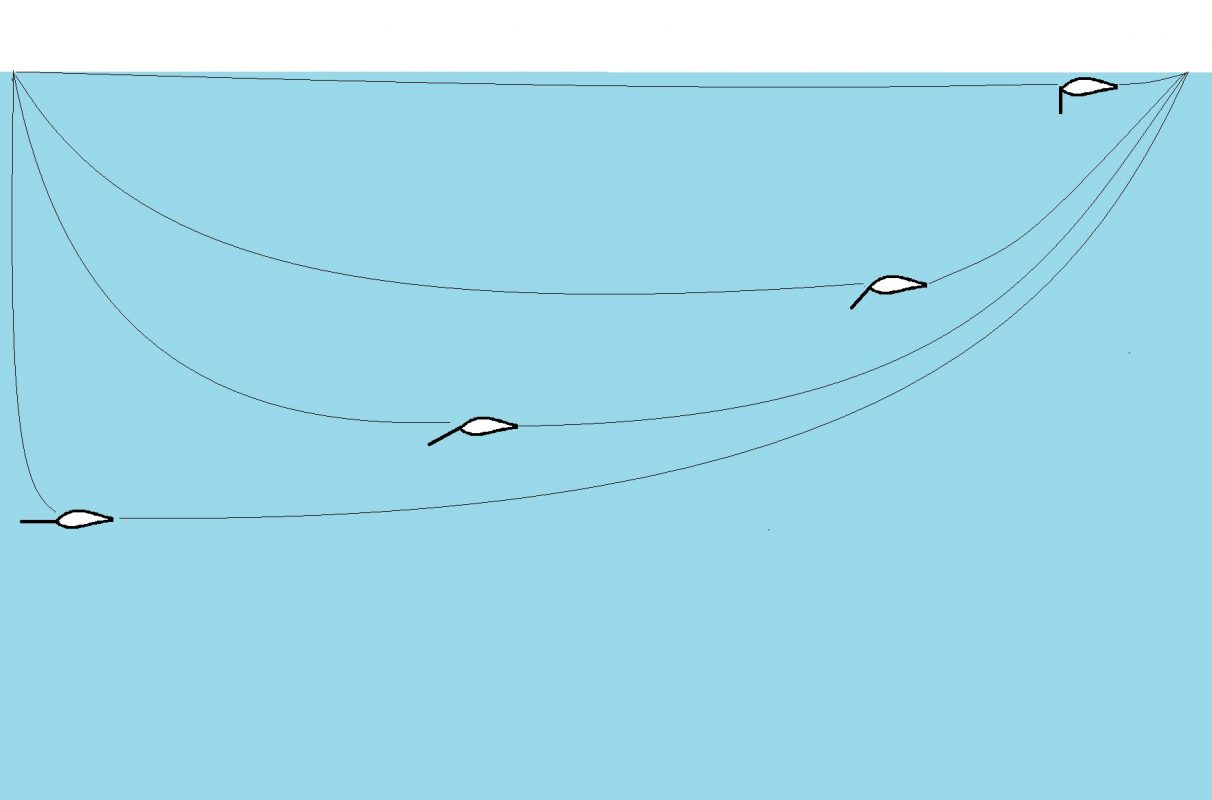
Generally, a lure with a shallow lip angle can dive deeper than one with a larger angle. During the dive, the lure will continuously adjust to find an angle that balances the pulling force and the drag of the lip, allowing it to maintain a consistent depth for a certain distance.
It is important to note that the effective searching range decreases as the lure dives deeper. For example, a lure designed for a depth of 0.5 meters may remain within the effective depth for 80% of its travel distance. In contrast, a deep-diving lure may only stay within the effective depth for 40% of its travel distance.
Some not-so-accurate depth estimation:
Assuming the lure with 0 degree lip achieves maxmium depth,D0.
And minimum depth 0 when the lip is tuned to 90 degree.
then:
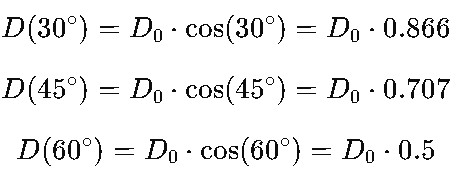
Note that, it is only an estimation and far from being accurate as the length of line reduces continously in the process.
