
While density and weight distribution primarily determine the sinking rate and corresponding posture of a lure, its shape and fins dictate the swimming action. The following diagrams illustrate various lure shapes and their swimming actions:
Lipless
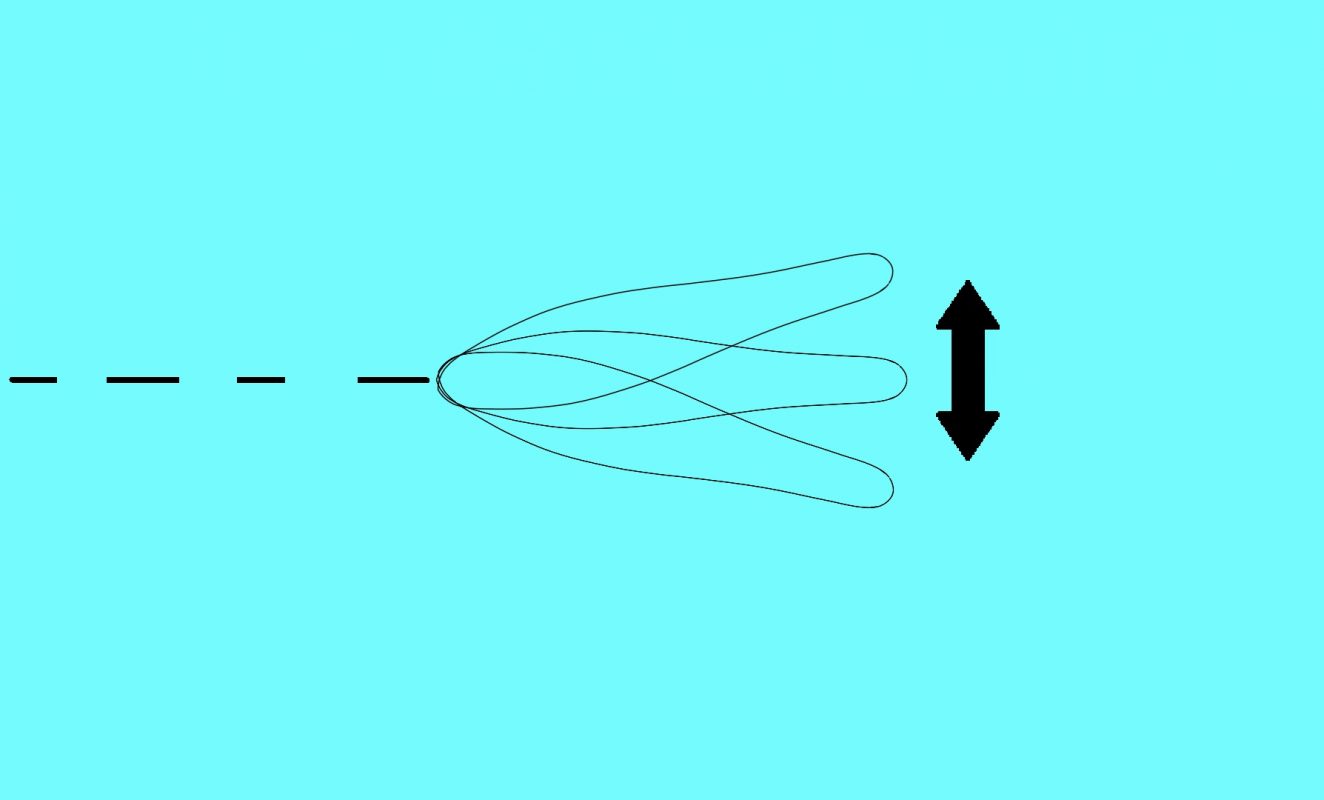
Swings left and right, using the connector as a pivot.
With Lip
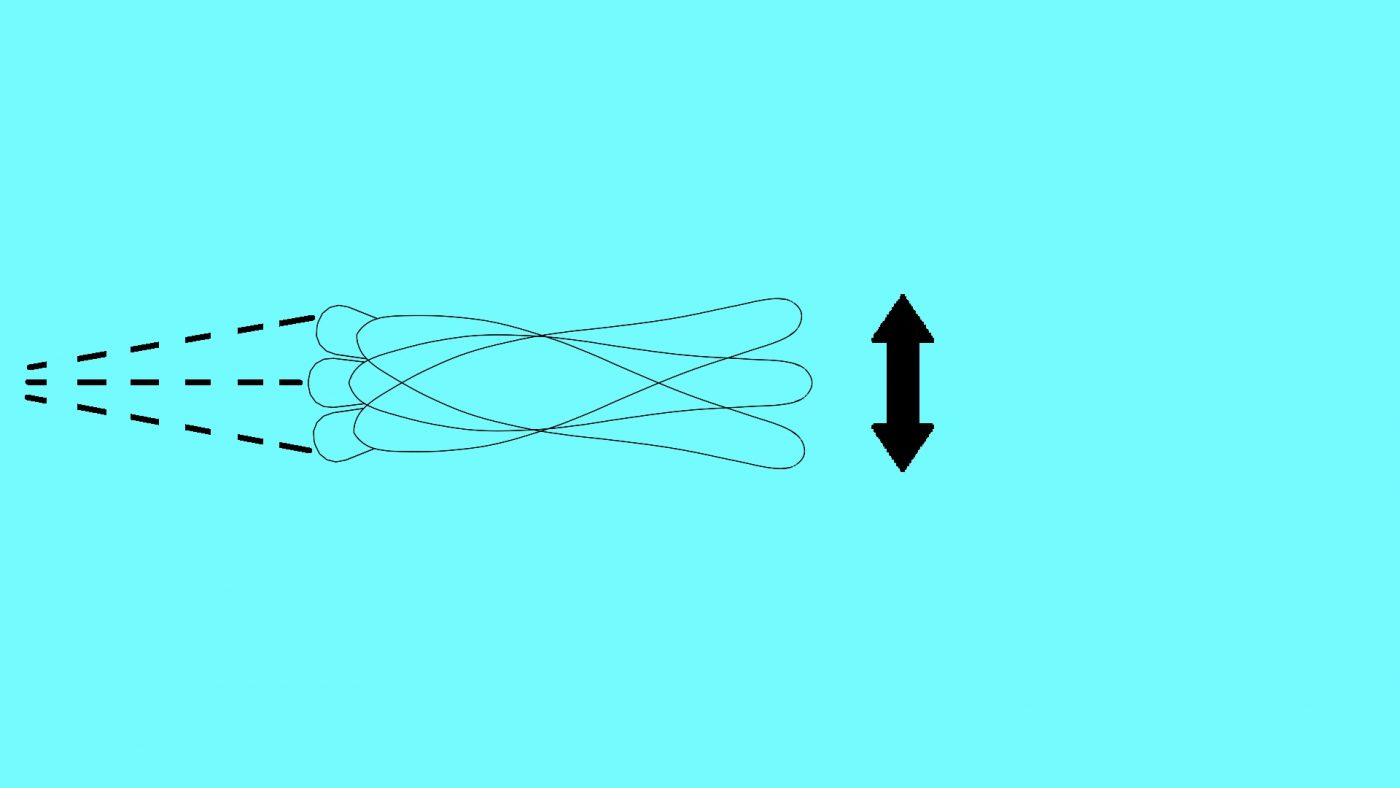
Similar to lipless, but the pivot point is moved toward the lure’s body.
Reverse
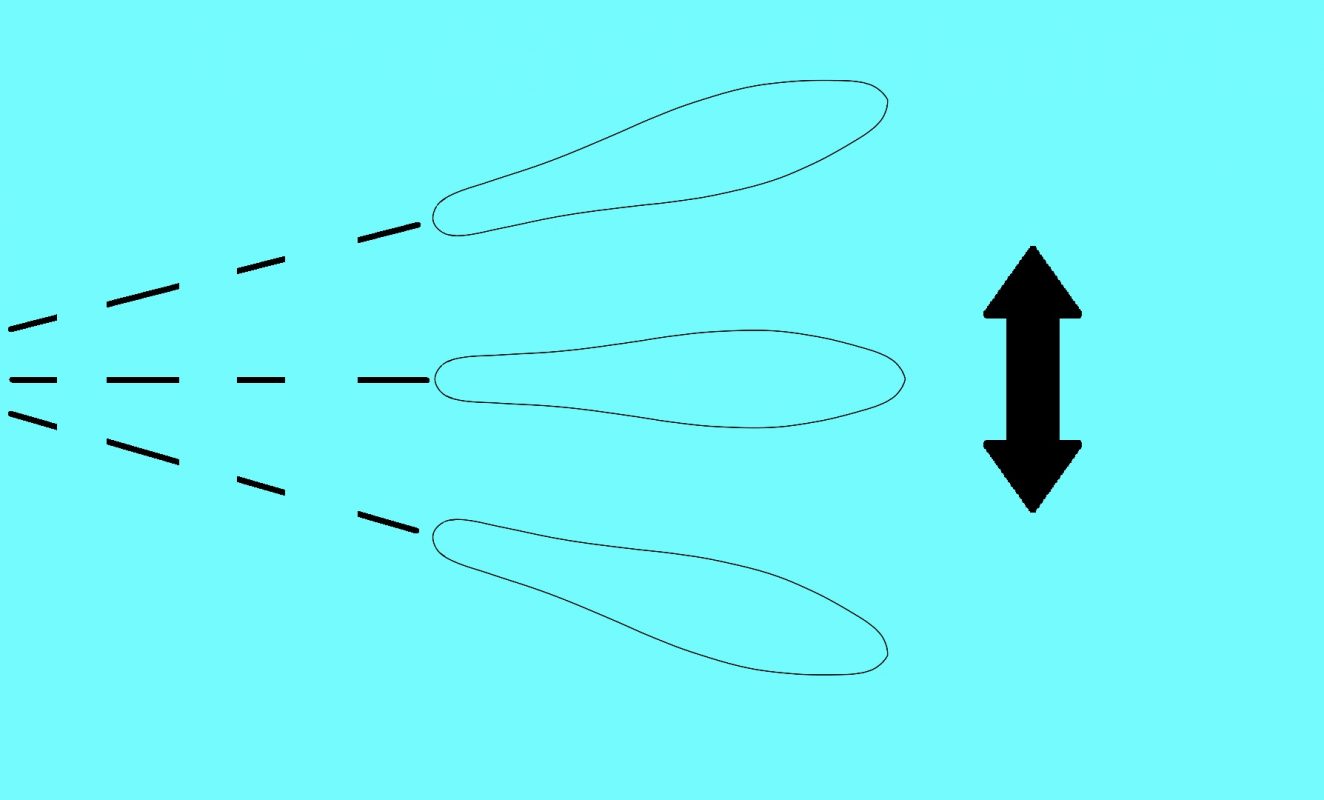
Results from shifting both weight and air chamber to the rear part. The hydrodynamics stabilise the lure, but the weight causes it to swing. Avoid designing your lure in this manner.
Front Fin
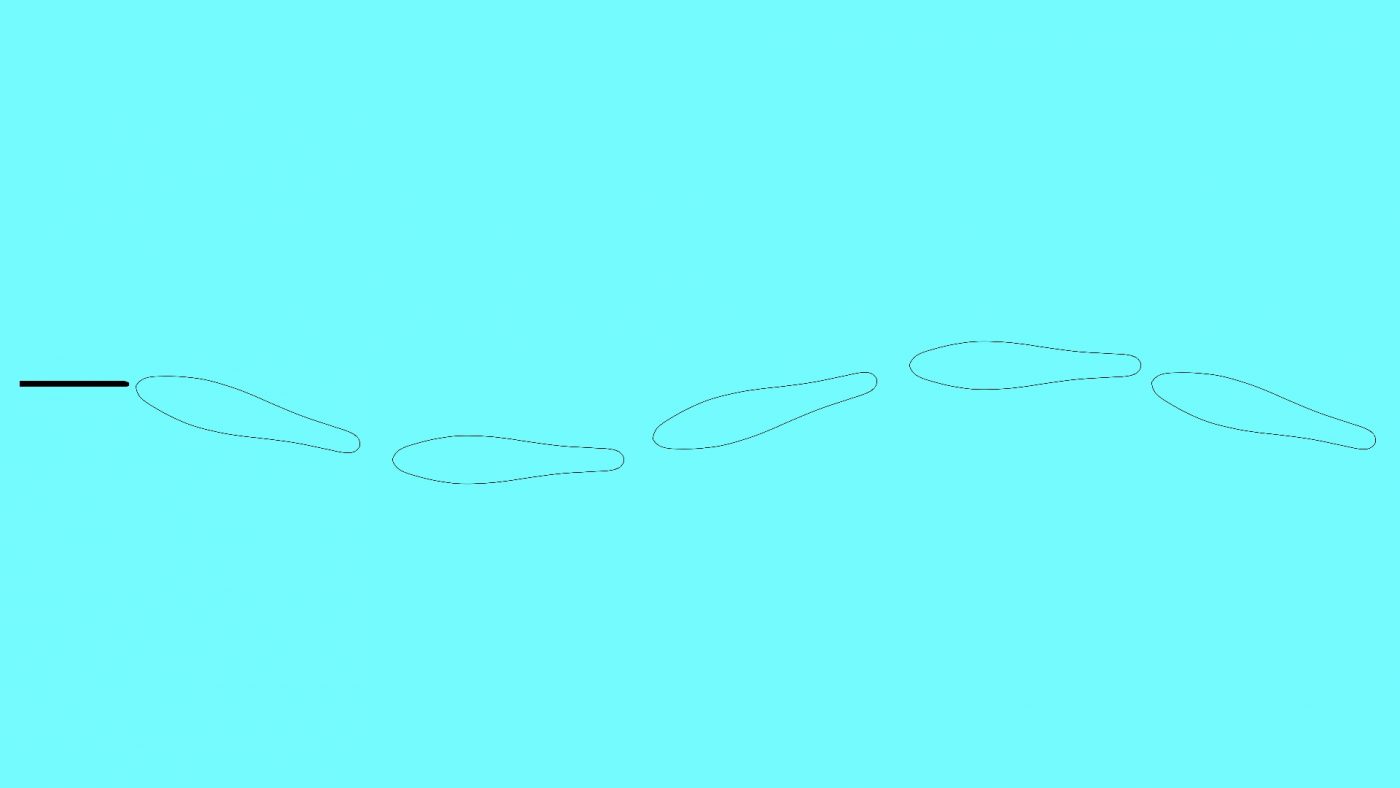
Instead of wiggling like a lipless lure, it produces a larger cycle. The swimming back action occurs when the maximum angle between the fishing line and the fin is exceeded. Note that the maximum angle is determined by the size of the fin. Sometimes it can be too effective, so keep it small.
Rear Fin
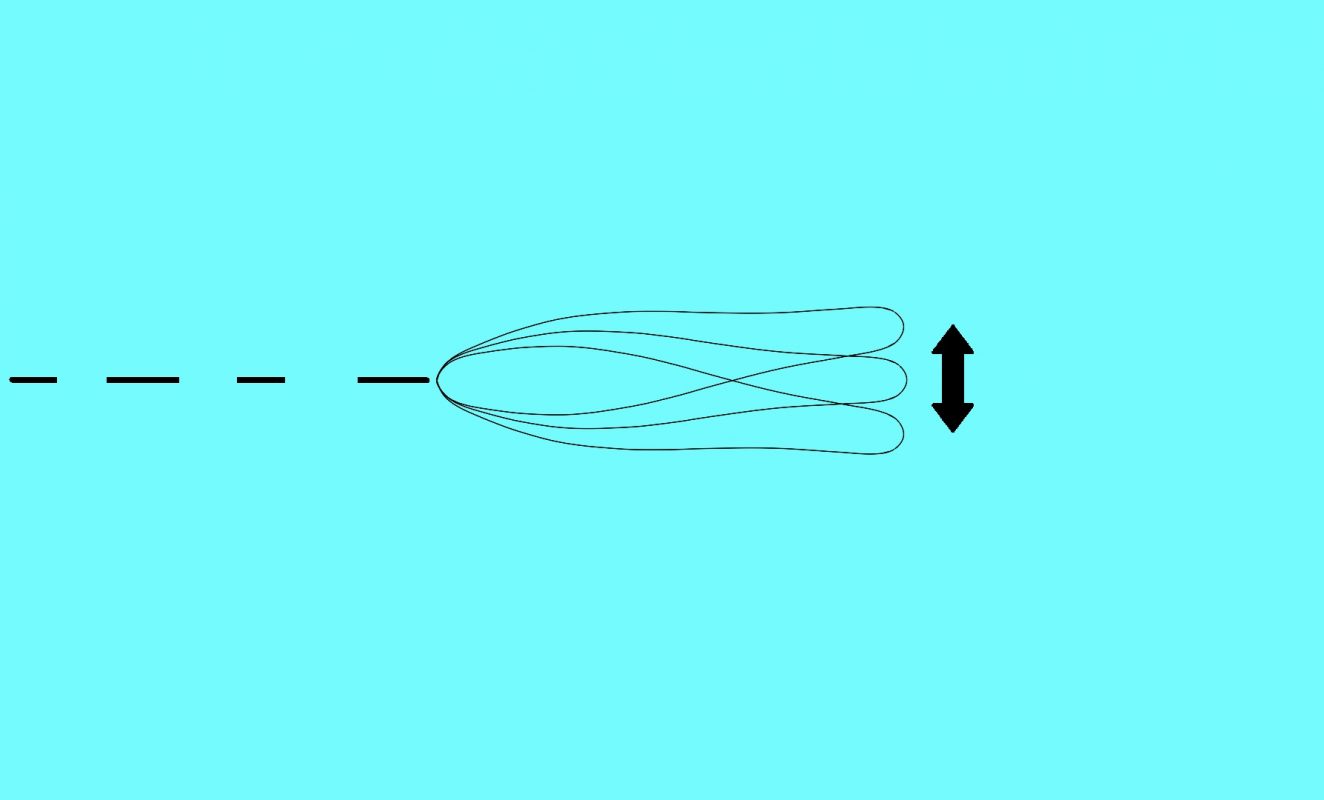 Adding a fin or wing at the tail is a common technique found in all hydrodynamic and aerodynamic designs, including planes and rockets. It is highly effective at stabilising the trajectory or course of an object due to the maximum moment (m = F*d) gained by increasing distance. Again, sometimes it can be too effective, so keep it small.
